We’ve all been there: you plug in the vacuum while the space heater is running, and suddenly darkness. That frustrating click from your home electrical box isn’t a failure. It is a complete success. It just prevented an overloaded wire from catching fire.
According to residential electricians, electrical panels act as the brain of your house. They take massive street power and sort it into safer circuits. This system protects appliances and reduces overheating risks. For broader safety guidance, you can also refer to the National Fire Protection Association overview of the National Electrical Code:
NFPA NEC.
Demystifying these metal circuit boxes saves money and eliminates unnecessary panic. This hidden hub helps you distinguish routine maintenance from warning signs that justify a professional inspection. If you need industrial grade enclosures for outdoor or workshop installs, explore our
Metal Enclosure range.
Inside the Metal Box: Identifying the Main Breaker and Branch Circuits
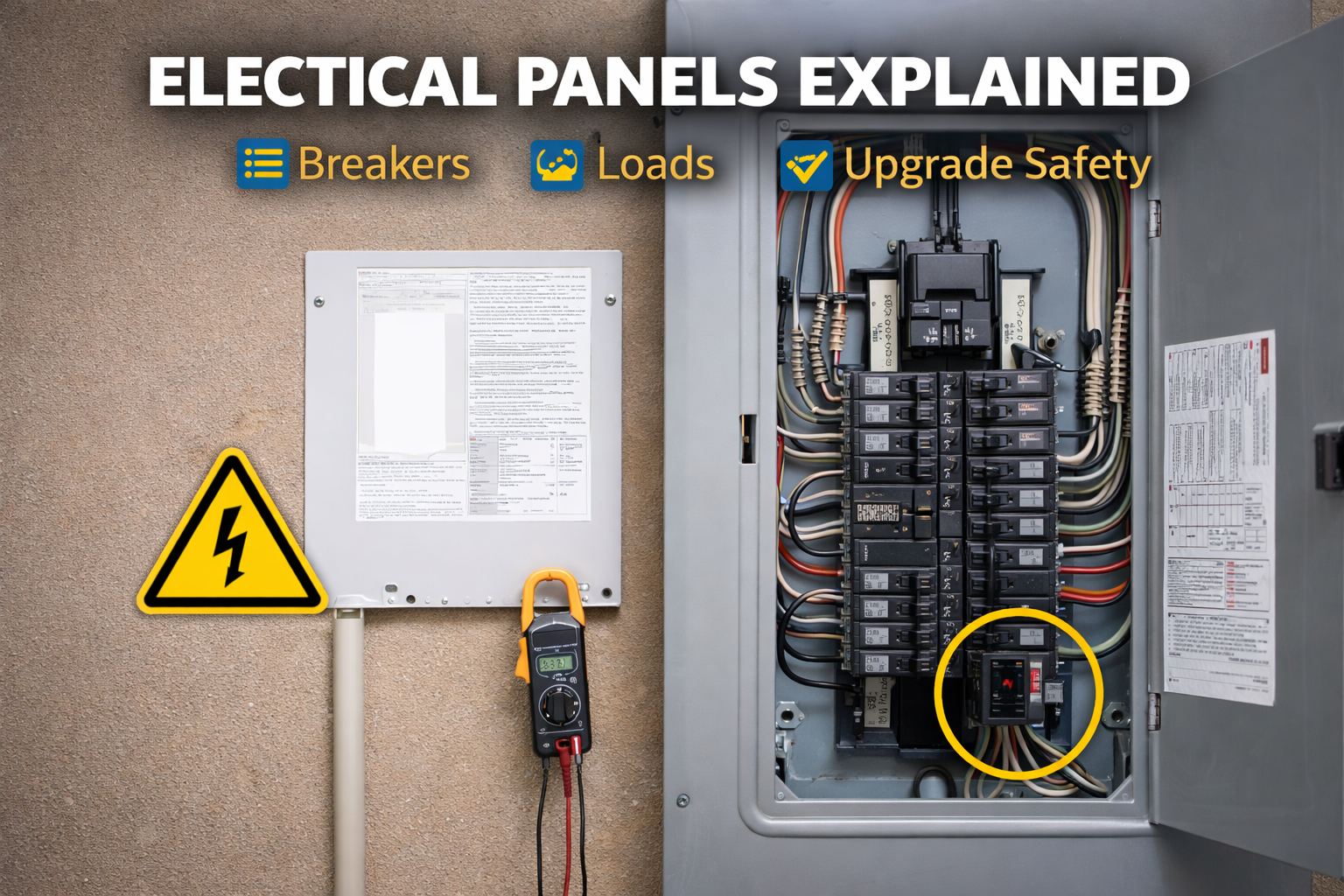
Opening your main breaker box reveals the central hub of your home’s electricity. At the top sits the Main Breaker, acting as the ultimate kill switch for emergencies. Some setups use a Main Lug design, which does not include a single master shutoff.
Inside a circuit breaker panel board, power divides into smaller branch circuits. Every electrical panel load center relies on these core parts:
- Main Breaker: The primary shut off valve.
- Branch Breakers: Switches controlling individual rooms.
- Bus Bars: Metal strips distributing power.
- Neutral Bar: The return path completing the loop.
Examine the switches inside your electrical panel with breakers. The numbers stamped on them indicate amperage, which is the maximum capacity for each circuit. Pulling too much power at once triggers built in protection.
Amps, Volts, and Security Guards: How Your Panel Decides When to Shut Down
Picture electricity flowing like water in a continuous loop from your power panel box to an outlet and back. Volts provide pressure, while amps reflect capacity. Bedrooms often use 15 amp circuits, while kitchens commonly require 20 amp circuits for heavier loads.
Running a space heater and a vacuum simultaneously can exceed a circuit’s safe capacity. In breaker panels, each breaker behaves like a security guard. During an overload, it trips to prevent overheating wires and reduce fire risk.
That shutoff can also happen if electricity escapes its loop, which creates a short circuit. If trips happen often, your current electrical panel setup may no longer match your usage.
From Fuses to 200 Amps: When is Your Panel No Longer Enough?
Older homes sometimes rely on round glass fuses instead of modern breakers. In the fuse box vs circuit breaker comparison, fuses are one time parts that melt during overload. Breakers can be reset after the issue is fixed.
Even with breakers, an older 100 amp service can be too small for today’s appliances. Adding EV charging or central air often requires upgrading to 200 amp service. If you are planning new electrical loads, a qualified electrician can confirm capacity and safety.
Age is not the only reason to consider replacement. Professionals often warn against outdated or unsafe equipment. If your setup shows heat damage, corrosion, or repeated trips, it is time to schedule an inspection.
The 3-Step Safety Reset: What to Do When the Lights Go Out
When the power drops, your first instinct is heading to the breaker box. Finding the culprit can be tricky because tripped breakers may sit between on and off.
Here is how to reset a tripped breaker safely:
- Unplug appliances: Remove devices that overloaded the circuit.
- Flip to OFF: Push the breaker fully off until you feel a click.
- Flip to ON: Switch it back on to restore power.
Stand slightly to the side when resetting. If the breaker trips again immediately, stop. Repeated trips can indicate a fault that requires professional troubleshooting.
Silent Alarms: Why Your Panel is Buzzing or Smelling Like Burnt Plastic
Wondering why your breaker box is buzzing. A faint hum can be normal. However, popping, sizzling, or crackling can indicate electrical arcing, which is a serious hazard caused by loose connections.
Treat these as urgent warning signs:
- Buzzing: Loud popping or sizzling sounds.
- Heat: A panel cover that feels warm.
- Smells: Burnt plastic or a sharp ozone like odor.
- Flickering lights: House wide dimming when appliances run.
Never tape a breaker in the on position. These symptoms can point to damaged bus bars or failing connections. If you suspect damage, shut off power and call an electrician.
Your Electrical Safety Roadmap: Moving from Confusion to Control
Your electrical panels do not need to be a mystery. Check whether your circuits are labeled. If not, labeling your breakers is a practical weekend project that improves safety and reduces stress during outages.
Once circuits are mapped, consider surge protection and periodic inspections. If you need a protective enclosure for an electrical cabinet or control setup, review our
Electric Cabinet solutions. If you want help selecting the right enclosure and configuration, you can also
contact us.
When a breaker trips, remember it did its job. It protected your wiring by shutting down before overheating could escalate. With a clearer understanding, you can manage small issues safely and recognize when professional upgrades are the right call.